Building Focus and Confidence Through Art Therapy

Art therapy is a powerful tool that can help individuals build focus and confidence. It combines the creative process of making art with therapeutic techniques to improve mental well-being. This blog post will explore how art therapy can enhance focus and boost self-confidence, providing practical examples and insights along the way.
Art therapy is not just for artists. Anyone can benefit from it, regardless of their artistic skills. The process of creating art allows individuals to express their feelings and thoughts in a safe environment. This expression can lead to greater self-awareness and emotional healing.
Understanding Art Therapy
Art therapy is a form of psychotherapy that uses art as a means of communication. It is guided by a trained therapist who helps individuals explore their emotions through creative expression. The focus is not on the final product but on the process of creating.
Art therapy can take many forms, including painting, drawing, sculpting, and even digital art. Each medium offers unique benefits and can be tailored to the individual's preferences.
Benefits of Art Therapy
Emotional Expression: Art therapy provides a safe space for individuals to express their emotions. This can be especially helpful for those who find it difficult to articulate their feelings verbally.
Stress Relief: Engaging in creative activities can reduce stress and anxiety. The act of creating can be meditative, allowing individuals to focus on the present moment.
Improved Focus: The process of making art requires concentration and attention to detail. This can help individuals improve their focus and cognitive skills over time.
Boosted Confidence: Completing an art project can give individuals a sense of accomplishment. This can lead to increased self-esteem and confidence in their abilities.
Enhanced Problem-Solving Skills: Art therapy encourages individuals to think outside the box. This can improve their problem-solving skills and creativity in other areas of life.
How Art Therapy Builds Focus
Art therapy can significantly enhance focus in several ways.
Engaging the Mind
When individuals engage in art-making, they must concentrate on their work. This focus can help train the brain to concentrate better in other areas of life.
For example, a person might spend time painting a landscape. They must pay attention to colors, shapes, and details. This engagement can help improve their overall attention span.
Mindfulness Through Art
Art therapy often incorporates mindfulness techniques. Mindfulness is the practice of being present in the moment. When individuals focus on their art, they practice mindfulness, which can improve their ability to concentrate.
For instance, a person might use clay to create a sculpture. As they mold the clay, they become absorbed in the process. This absorption can lead to a calmer mind and improved focus.
Setting Goals
Art therapy can also involve setting specific goals for a project. This can help individuals learn to focus on tasks and see them through to completion.
For example, a person might decide to complete a painting in a week. They can break this goal into smaller tasks, such as sketching, painting backgrounds, and adding details. This structured approach can enhance their focus and productivity.
Building Confidence Through Art Therapy
Art therapy is also an effective way to build confidence.
Celebrating Achievements
Completing an art project, no matter how small, can provide a sense of achievement. This feeling can boost self-esteem and encourage individuals to take on new challenges.
For example, a person might create a simple drawing. When they finish, they can display it proudly. This act of sharing their work can reinforce their confidence in their abilities.
Overcoming Fear of Judgment
Many people fear judgment when it comes to their creative abilities. Art therapy helps individuals understand that the process is more important than the outcome.
In a supportive environment, individuals can explore their creativity without fear. This can lead to greater self-acceptance and confidence in their artistic expression.
Encouraging Self-Discovery
Art therapy encourages individuals to explore their thoughts and feelings. This self-discovery can lead to a better understanding of oneself, which is crucial for building confidence.
For instance, a person might create a collage that represents their dreams and aspirations. This process can help them clarify their goals and boost their confidence in pursuing them.
Practical Tips for Engaging in Art Therapy
If you are interested in exploring art therapy, here are some practical tips to get started.
Find a Qualified Art Therapist
Look for a licensed art therapist who can guide you through the process. They can provide support and help you navigate your emotions through art.
Choose Your Medium
Experiment with different art forms to find what resonates with you. Whether it is painting, drawing, or sculpting, choose a medium that you enjoy.
Set Aside Time
Dedicate regular time for your art practice. Consistency is key to building focus and confidence. Even 30 minutes a week can make a difference.
Create a Comfortable Space
Set up a space where you feel comfortable creating. This can be a corner of your home or a designated art studio. Make it inviting and inspiring.
Embrace Imperfection
Remember that the process is more important than the final product. Allow yourself to create without judgment. Embrace mistakes as part of the journey.
Real-Life Examples of Art Therapy Success
Art therapy has been used successfully in various settings, from schools to hospitals. Here are a few inspiring examples.
Case Study: Children in Schools
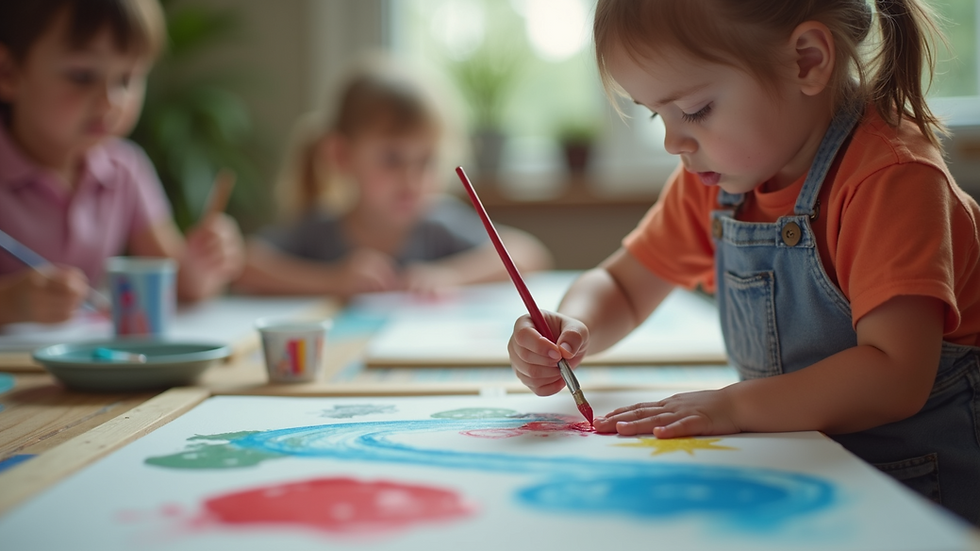
In a school setting, art therapy has been used to help children with anxiety and behavioral issues. One program involved weekly art sessions where children could express their feelings through drawing and painting.
As a result, many children showed improved focus in class and increased confidence in their abilities. They learned to communicate their emotions more effectively, leading to better relationships with peers and teachers.
Case Study: Adults in Recovery
Art therapy has also been beneficial for adults in recovery from addiction. One program offered art therapy sessions to help individuals express their struggles and emotions.
Participants reported feeling more confident in their ability to cope with challenges. They found that creating art helped them focus on their recovery journey and provided a healthy outlet for their feelings.
The Future of Art Therapy
As awareness of mental health continues to grow, art therapy is becoming more recognized as a valuable tool.
Expanding Access
More organizations are beginning to offer art therapy programs. This expansion will make it easier for individuals to access these services and benefit from the healing power of art.
Integrating Technology
With advancements in technology, art therapy is also evolving. Online platforms and apps are emerging, allowing individuals to engage in art therapy from the comfort of their homes.
This accessibility can help reach a wider audience and provide support to those who may not have access to traditional therapy.
Embracing Your Creative Journey
Art therapy is a journey of self-discovery, focus, and confidence-building. Whether you are looking to express your emotions, reduce stress, or enhance your focus, art therapy can be a valuable tool.
By engaging in the creative process, you can unlock new levels of self-awareness and confidence. Remember, the most important part is to enjoy the journey and embrace your unique creative expression.

As you explore art therapy, keep an open mind and allow yourself to grow. The benefits of art therapy can extend far beyond the canvas, enriching your life in countless ways. So grab your brushes, pencils, or clay, and start your creative journey today.

Comments