Screen-Free Learning Strategies for Kids' Creative Growth

In today's digital age, screens are everywhere. From tablets to smartphones, children are often surrounded by technology. While screens can offer educational content, too much screen time can hinder creativity and imagination. This blog post explores screen-free learning strategies that can help kids grow creatively.
By engaging in hands-on activities, children can develop critical thinking skills and express themselves in unique ways. Let's dive into some effective strategies that promote creative growth without the use of screens.
The Power of Play
Play is essential for children's development. It allows them to explore, experiment, and learn in a fun way. Here are some play-based strategies to encourage creativity:
Imaginative Play: Encourage your child to engage in role-playing. This could be as simple as pretending to be a chef, a doctor, or a superhero. Imaginative play helps children develop storytelling skills and boosts their creativity.
Building Blocks: Provide your child with building blocks or construction sets. These toys allow kids to create structures and designs, fostering spatial awareness and problem-solving skills.
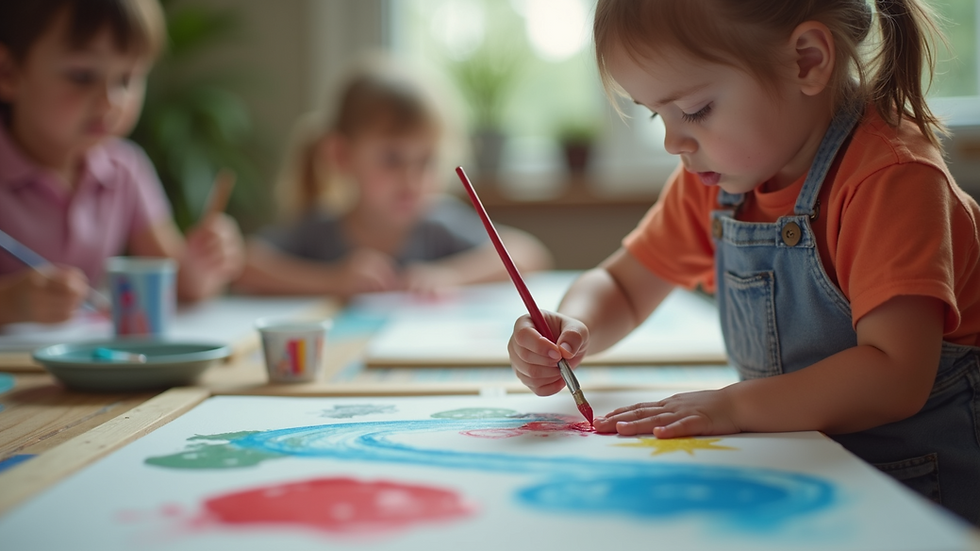
Art Supplies: Stock up on art supplies like crayons, markers, and paper. Encourage your child to draw, paint, or create collages. Art is a fantastic way for kids to express their feelings and ideas.
Nature Exploration
Nature is a rich source of inspiration. Spending time outdoors can spark creativity in children. Here are some ways to incorporate nature into learning:
Nature Walks: Take your child on nature walks. Encourage them to observe their surroundings, collect leaves, or identify different plants. This can lead to discussions about the environment and inspire creative projects.
Gardening: Start a small garden together. Gardening teaches responsibility and patience. Plus, it provides a hands-on way to learn about biology and ecology.
Nature Crafts: Use natural materials for crafts. Leaves, twigs, and stones can be transformed into art projects. This not only fosters creativity but also connects children to the environment.
Storytelling and Reading
Reading and storytelling are powerful tools for creative growth. They help children develop language skills and imagination. Here are some ideas to promote storytelling:
Story Time: Set aside time each day for reading. Choose a variety of books, from fairy tales to non-fiction. Discuss the stories and ask open-ended questions to encourage critical thinking.
Create Your Own Stories: Encourage your child to write their own stories. They can illustrate them or even act them out. This activity promotes creativity and helps develop writing skills.
Storytelling Games: Play storytelling games where each person adds a sentence to create a story together. This can lead to hilarious and imaginative tales.
Hands-On Learning
Hands-on activities are excellent for engaging children and promoting creativity. Here are some ideas:
Science Experiments: Conduct simple science experiments at home. For example, create a volcano using baking soda and vinegar. This not only teaches scientific concepts but also encourages curiosity.
Cooking Together: Involve your child in cooking. Let them help with measuring ingredients or decorating dishes. Cooking is a fun way to learn math and science while being creative.
DIY Projects: Work on DIY projects together. Whether it's building a birdhouse or creating homemade gifts, these activities foster teamwork and creativity.
Music and Movement
Music and movement are vital for children's development. They can enhance creativity and self-expression. Here are some ways to incorporate music and movement:
Dance Parties: Have dance parties at home. Play different types of music and encourage your child to express themselves through dance. This promotes physical activity and creativity.
Musical Instruments: Introduce your child to musical instruments. Whether it's a simple tambourine or a keyboard, making music can be a fun and creative outlet.
Singing Together: Sing songs together. This can be a great way to bond and encourage language development. You can even create your own songs about everyday activities.
Encouraging Curiosity
Curiosity is the foundation of creativity. Here are some strategies to nurture your child's curiosity:
Ask Questions: Encourage your child to ask questions about the world around them. Respond with enthusiasm and provide answers or explore the questions together.
Explore New Interests: Introduce your child to new hobbies or interests. Whether it's photography, knitting, or coding, exploring new activities can spark creativity.
Visit Museums and Libraries: Take trips to museums, art galleries, or libraries. These places can inspire creativity and provide new ideas for projects.
Creating a Creative Environment
The environment plays a significant role in fostering creativity. Here are some tips to create a creative space at home:
Designate a Creative Area: Set up a specific area for creative activities. This could be a corner with art supplies, building materials, or musical instruments.
Limit Distractions: Keep the creative space free from distractions. This helps children focus on their projects and encourages deeper engagement.
Display Artwork: Showcase your child's artwork around the house. This boosts their confidence and encourages them to continue creating.
The Role of Parents
Parents play a crucial role in fostering creativity. Here are some ways to support your child's creative growth:
Be Supportive: Encourage your child’s creative efforts, no matter how small. Celebrate their achievements and provide positive feedback.
Participate Together: Join in on creative activities. Whether it’s painting, building, or storytelling, participating together strengthens your bond and encourages creativity.
Model Creativity: Show your child that creativity is important. Share your own creative pursuits and interests. This sets a positive example for them to follow.
Embracing Screen-Free Time
In a world filled with screens, embracing screen-free time is essential for children's creative growth. Here are some final thoughts on how to make the most of this time:
Set Boundaries: Establish clear boundaries for screen time. Encourage your child to engage in screen-free activities during certain hours of the day.
Encourage Social Interaction: Promote playdates or group activities. Social interaction fosters creativity and helps children learn from one another.
Be Patient: Transitioning to screen-free activities may take time. Be patient and supportive as your child explores new ways to learn and create.
In a world dominated by screens, it is vital to prioritize screen-free learning strategies for our children. By engaging in hands-on activities, exploring nature, and encouraging creativity, we can help our kids grow into imaginative and innovative individuals.
Let us embrace the power of creativity and provide our children with the tools they need to thrive in a screen-free environment. The journey of creative growth is not just about the destination, but the experiences and memories we create along the way.


Comments